Now, in this third part, let’s see how to make a tourist event sustainable from the environmental sphere perspective.
When it comes to waste management, many small, simple actions can make a big difference. Don’t forget that the principle of reducing at the source must always be prioritized (reusable dishes, water pitchers, minimizing paper use).
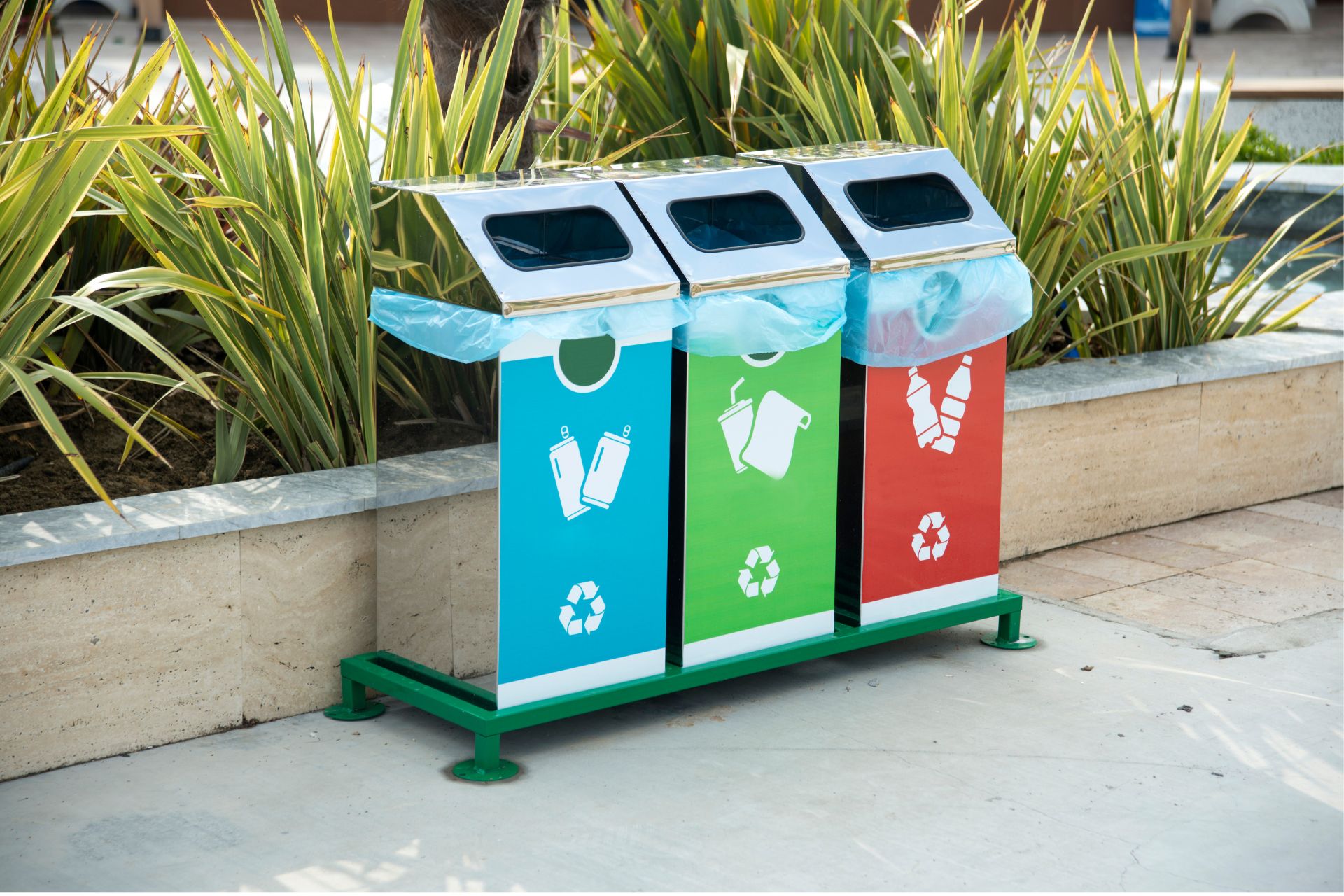
Here are a few concrete examples: before holding the event, assess potential waste and plan actions to reduce and manage it; implement sorting stations on-site and use suitable signage; raise awareness among food service providers about good waste-sorting practices; measure residual materials (trash, recycling, compost) to set reduction targets for upcoming editions; make an arrangement with an organic waste collection company (depending on availability in your area); redistribute leftover food to volunteers, participants, or a charity organization whenever possible.
Next, let’s focus on water management. One good practice is to encourage participants to bring their own reusable water bottles. And why not provide potable water dispensers for attendees?
To address greenhouse gas (GHG) emissions, you can educate participants about the event’s eco-friendly approach by inviting them to carpool or take advantage of existing public transportation services (shuttles).
For organizations whose tourist events are already well advanced in their eco-friendly practices, it’s wise to calculate the greenhouse gas emissions from all travel before and during the event and to offset those GHG emissions by purchasing certified carbon credits.
Would you like support in making your tourist event eco-responsible? Contact an advisor at SADC Arthabaska-Érable, who can guide you and provide concrete solutions!